-
×
 نمک اسپیرولینا
1 × 397,000 تومان
نمک اسپیرولینا
1 × 397,000 تومان



salt blog
Color Differences in Mineral Salt
02
اسفند
اسفند
chemistry, salt is a chemical compound composed of a set of cations (positively charged ions) and anions (negatively charged ions) arranged in such a way that the product is electrically neutral. The term “salt” is also commonly used to refer to table salt, or sodium chloride.
In geology and mineralogy, a mineral species is generally a solid chemical compound with a fairly specific composition and a unique crystalline structure that occurs naturally.
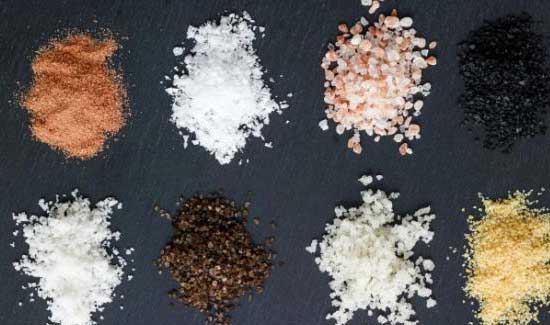
When it comes to mineral salt, a variety of colors appear. This often raises questions: why do these salts have different colors, and are certain colors more beneficial than others? Let’s take a closer look.
Why Do Salts Have Color?
A very good question! Why does anything have color?
In short: colors are simply different wavelengths of light.
When light strikes any object, part of it is absorbed and part is reflected. The reflected wavelengths are what our eyes perceive as color. For example, blue salt absorbs almost all colors but reflects blue light, which is why we see it as blue.
This absorption and reflection are caused by the movement of electrons within the ions that make up the compound. Electrons require energy to jump between orbitals, and light provides the necessary energy. The specific wavelengths absorbed or reflected determine the visible color of the salt.
Pink Salt
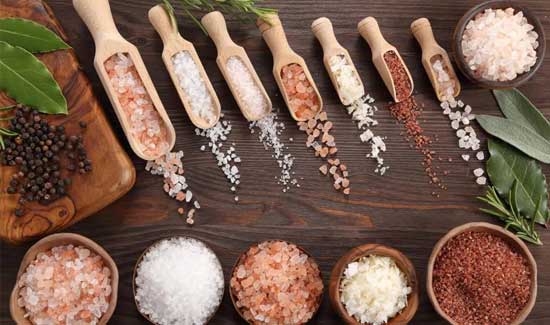
Carnica Store Pink Salt
This unique natural salt is free from additives, preservatives, and heavy processing — unlike iodized table salt. Pink salt crystals are not uniform in shape or color, ranging from white to light pink, dark red, and even orange.
The main reason for this variety is the iron content along with over 80 trace minerals. Crystals richer in iron appear red or orange, while those with less iron appear pale pink or white.
Pink salt is considered an unrefined salt that contains minerals absent in refined table salt, including potassium, magnesium, iron, and calcium. Its rosy color is primarily due to its iron oxide content, the same compound that makes our blood red.
This natural “rusting” process in salt beds gives pink salt its distinctive color, setting it apart from other varieties.
Semnan Blue Salt
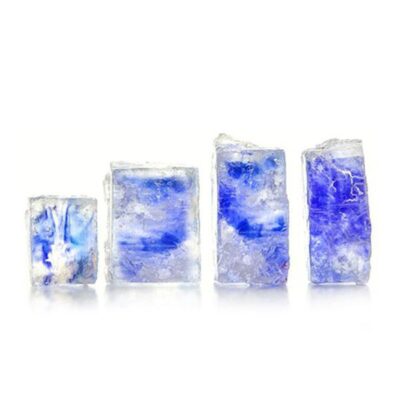
Carnica Store Blue Salt
Iranian blue salt is a rare natural salt harvested from ancient deposits in the central desert of Iran, particularly in Semnan Province. It is hand-extracted using traditional methods, sun-dried, and left unrefined, preserving its natural mineral content and purity.
Its striking blue color comes from trace minerals such as potassium, calcium, and magnesium, particularly the rare mineral sylvinite, which occurs only in this region.
Blue salt is typically used as a finishing salt, adding elegance and complexity to meals. It pairs well with meat, fish, vegetables, salads, soups, desserts, citrus fruits, herbs, spices, chocolate, and cheese. It is even used to rim margarita glasses with its beautiful blue crystals.
Blue Salt vs. Pink Salt
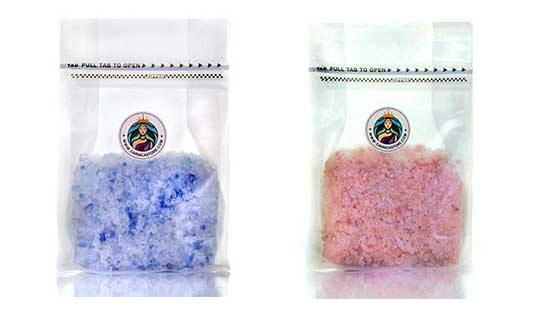
Both Iranian Blue Salt and Pink Salt are natural salts that have gained global popularity for their unique flavor, texture, and health benefits.
-
Blue Salt (Persian Blue Salt): Rare and exotic, sourced mainly from Semnan, Iran. Known for its coarse grains, slightly sweet and nutty flavor, and high levels of potassium, calcium, and magnesium. Believed to support healthy digestion, regulate blood pres
sure, and reduce inflammation.
-
Pink Salt: Extracted from salt mines in Iran and other regions. Its pink hue comes from iron oxide. Known for its coarse texture, mild earthy taste, and mineral richness, especially sodium and iron. It is also believed to support respiratory health, improve sleep, and reduce heart disease risk.
In summary:
-
Blue Salt → Rare, sweet–nutty taste, higher in potassium, calcium, magnesium.
-
Pink Salt → Common, mild earthy flavor, higher in sodium and iron.
Both salts are unrefined, mineral-rich, and excellent as gourmet finishing salts.
✨ Whether it’s the vibrant blue crystals of Persian salt or the delicate pink tones of Himalayan salt, CarnicaStore brings you the finest mineral salts directly from nature’s treasures
