


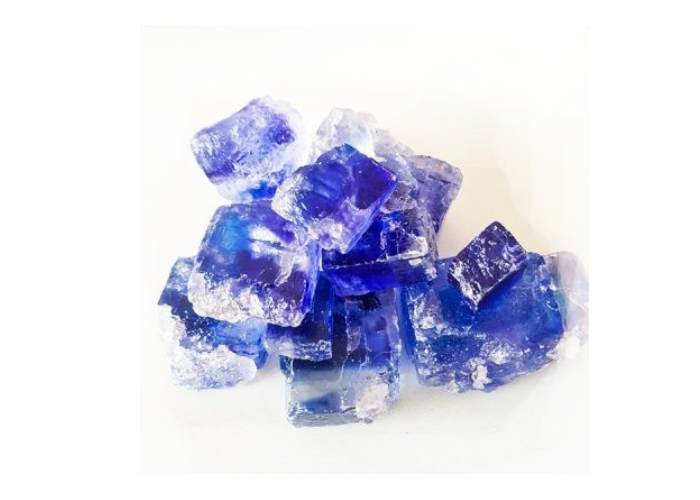
اردیبهشت
Blue salt is one of the most unique and exclusive natural salts on the global market. Recognized internationally as Persian Blue Salt, this extraordinary mineral stands out because of its naturally occurring blue crystals, limited geological origin, and premium culinary value. Due to its rarity and distinctive appearance, it is widely considered the rarest edible salt in the world.
In this article, we will explore what blue salt is, how blue salt crystals are formed, why Blue Salt from Semnan is so valuable, and what affects the wholesale blue salt market and blue salt price worldwide.
What Is Blue Salt?
Blue salt is a natural rock salt formed millions of years ago under intense geological pressure. Unlike regular table salt or sea salt, its blue color is completely natural and not the result of additives or artificial coloring.
The distinctive hue found in blue salt crystals is caused by structural changes in the crystal lattice of halite (sodium chloride). Under extreme tectonic pressure, slight shifts occur in the atomic structure, which alter how light refracts through the mineral. This optical phenomenon produces the rare blue coloration seen in authentic Persian Blue Salt.
The Origin of Blue Salt from Semnan
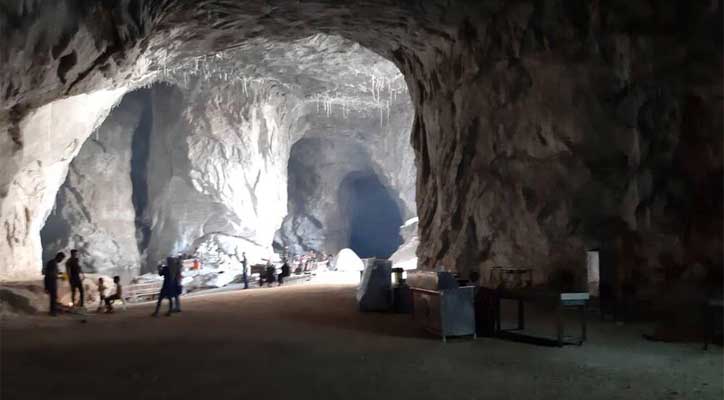
The primary source of this rare mineral is located in Semnan Province, Iran. Blue Salt from Semnan is extracted from ancient salt deposits that date back more than 100 million years, formed from the prehistoric Tethys Sea.
Because the deposits are geographically limited, Iranian blue salt is considered a national mineral treasure and a high-value export product. Iran remains one of the only countries in the world where commercially viable quantities of Persian Blue Salt are found.
Why Is Persian Blue Salt the Rarest Salt in the World?
Several factors contribute to its global reputation as the rarest edible salt:
- Extremely Limited Mining Locations
Unlike sea salt or Himalayan salt, blue salt is mined only in specific areas of Iran.
- Low Percentage of Blue Crystals
Not all extracted rock salt contains blue coloration. In fact, only a small fraction of mined salt produces visible blue salt crystals, making the selection and sorting process highly meticulous.
- Careful Extraction Process
To preserve crystal integrity and color, extraction is often conducted with precision methods rather than large-scale industrial blasting.
- High International Demand
Since gaining recognition in European gourmet markets—particularly in Germany and France—demand for Persian Blue Salt has increased significantly. Limited supply combined with strong demand has elevated its status as a premium culinary product.
Characteristics of Blue Salt Crystals
Unique Appearance
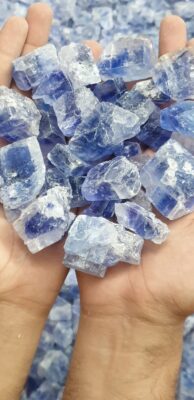
Blue salt crystals range from light blue to deep sapphire tones. Some crystals combine white and blue patterns, enhancing their aesthetic appeal. The deeper and more vivid the blue color, the higher the market value.
Texture
The crystals are typically large, angular, and transparent, making them ideal as a finishing salt.
Flavor Profile
Unlike conventional salt that delivers immediate sharp salinity, blue salt offers a smoother and more balanced taste. Many chefs describe it as having a mild initial flavor followed by a gradual intensification of saltiness.
Culinary and Commercial Uses of Iranian Blue Salt
Gourmet Cooking
Professional chefs use Persian Blue Salt as a finishing salt for premium dishes such as steak, seafood, salads, and fine dining presentations.
Decorative Presentation
The visual appeal of blue salt crystals makes them ideal for luxury plating and high-end food styling.
Export and Luxury Packaging
Due to its rarity, Iranian blue salt is often packaged in glass containers or premium grinders for export markets. It is also sold as a specialty gift product.
Blue Salt Price: What Determines Its Value?
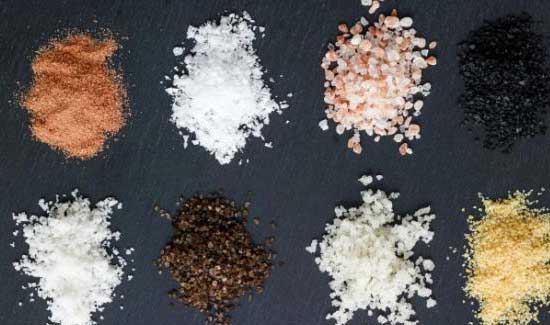
The blue salt price varies depending on several key factors:
- Intensity and purity of blue coloration
- Crystal size and uniformity
- Mineral purity and laboratory certification
- Packaging quality
- Purchase volume (retail vs. wholesale blue salt orders)
Generally, darker and more vibrant crystals command higher prices. Export-grade products with refined sorting and packaging standards also increase overall value.
Wholesale Blue Salt Supply and Global Trade
The market for wholesale blue salt continues to grow as gourmet retailers, specialty food brands, and international distributors seek premium mineral products. Bulk buyers typically include:
- Food packaging companies
- Luxury food brands
- Organic and specialty food stores
- High-end restaurants and hotels
Reliable sourcing is critical in wholesale transactions. Authentic Persian Blue Salt should come from verified mining operations in Semnan to ensure product consistency and quality.
How to Identify Authentic Persian Blue Salt
To ensure authenticity when purchasing blue salt, consider the following:
- The blue color should appear natural and uneven, not artificially uniform
- Crystals should be transparent and free of dye residues
- Origin should be clearly labeled as Semnan, Iran
- Suppliers should provide quality assurance or mineral analysis if required
Buying from a reputable supplier ensures you receive genuine Iranian blue salt rather than artificially colored alternatives.
Why Buy Blue Salt from Carnica Store?
Carnica Store has provided the opportunity to use Iranian blue salt directly by offering special and high-quality products. Purchases from this collection include:
- Guaranteed authenticity of Iranian blue salt
- Offered in different grades (crystal, ground and luxury packaging)
- Competitive price Possibility of selling blue salt in bulk for production and the domestic market
Conclusion
Persian Blue Salt is one of the most exclusive and rare mineral salts in the world. Its naturally formed blue salt crystals, limited extraction sites in Semnan, and distinctive flavor profile make it a luxury culinary ingredient sought after globally.
As demand continues to rise, both retail buyers and wholesale blue salt distributors recognize its premium value. Whether you are exploring blue salt for gourmet cooking, export opportunities, or specialty retail, understanding its origin, rarity, and pricing factors is essential.
Authentic Iranian blue salt remains a symbol of geological uniqueness and culinary refinement in international markets.
